






















Getting Started- By Flintsky Malamutes
Backpacking is one of the best sports to get started with your dog — it's completely adaptable, can be done through much of the year, on your own or with others, and you can start as simply as you like. All you really need is your dog, a pack and some trails.
However, there are a few basic rules of thumb that will make this a safe and enjoyable way to begin, and that will help you progress further down the line. There are plenty of resources covering what to pack and how to pursue backpacking schemes that earn titles for your dog (see the AMWA and AMCA websites for more), but here I'll focus on the important things to know when first starting out.

THE BASICS
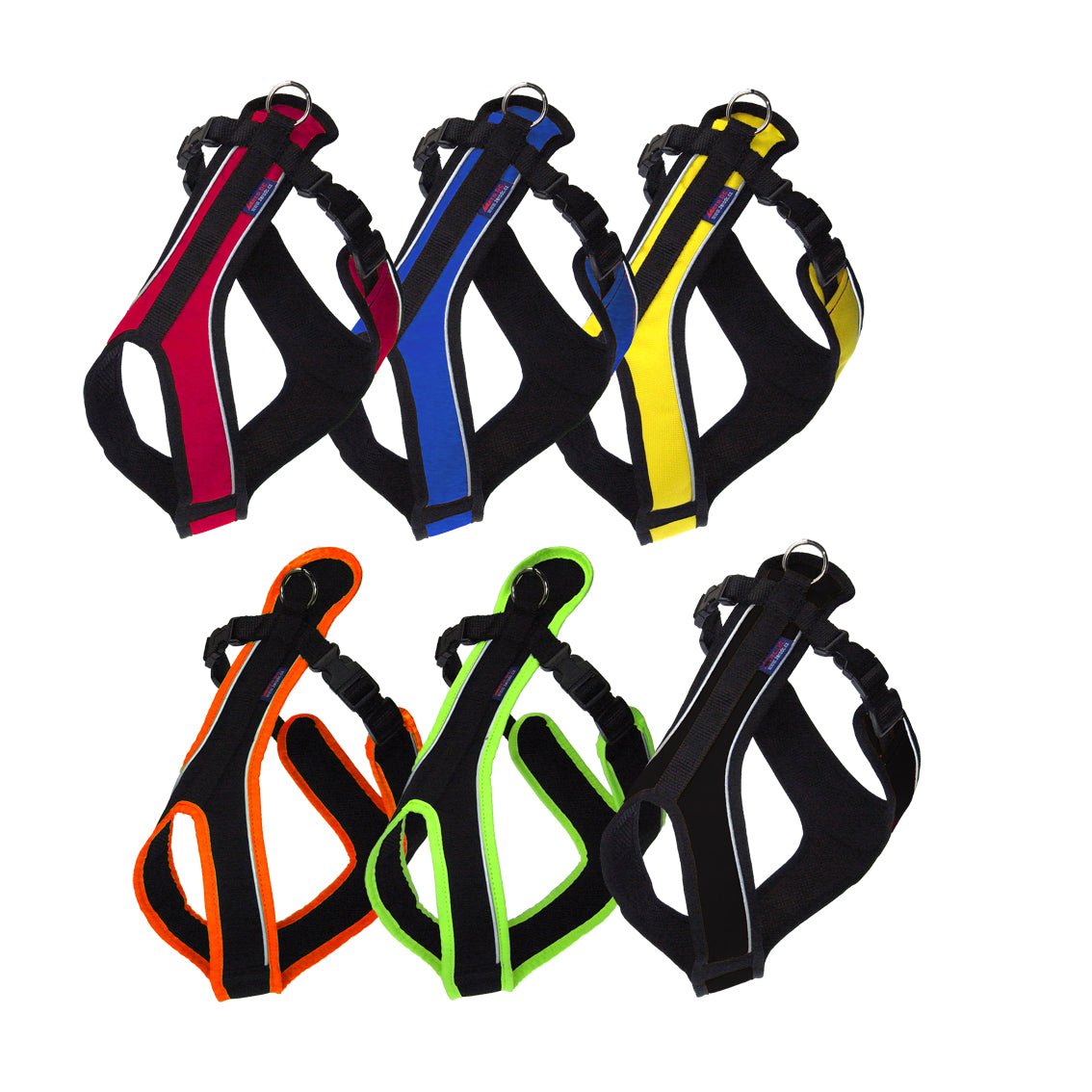
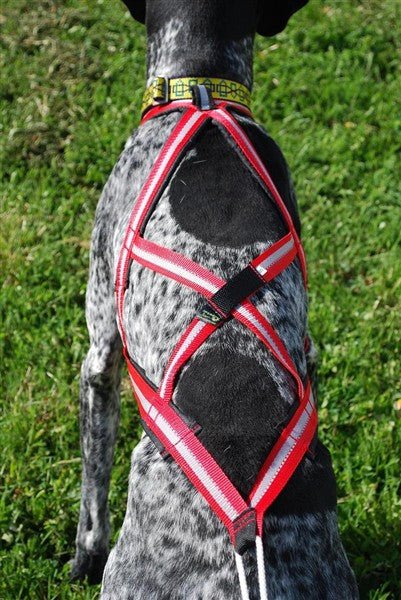
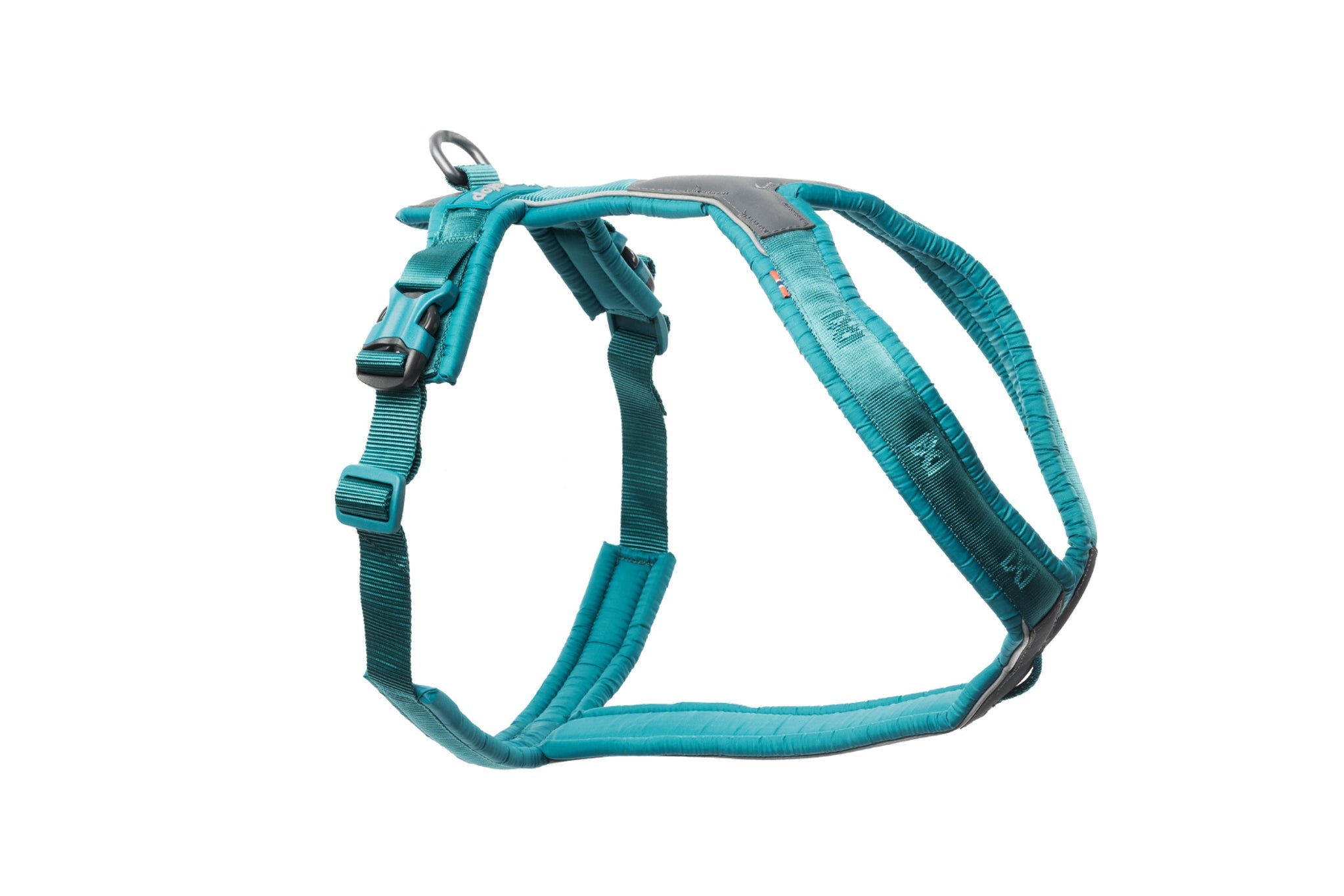
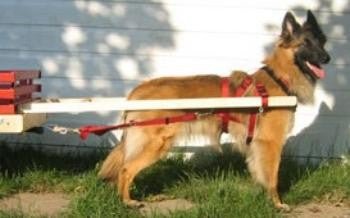
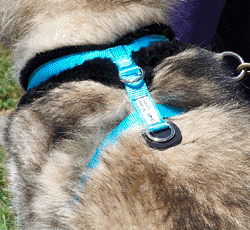
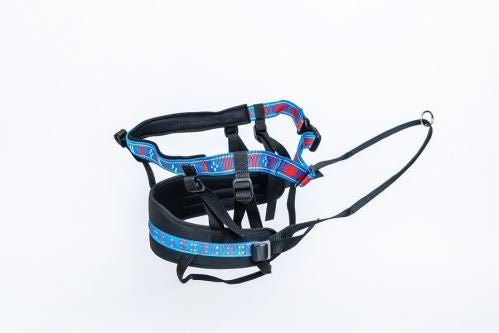
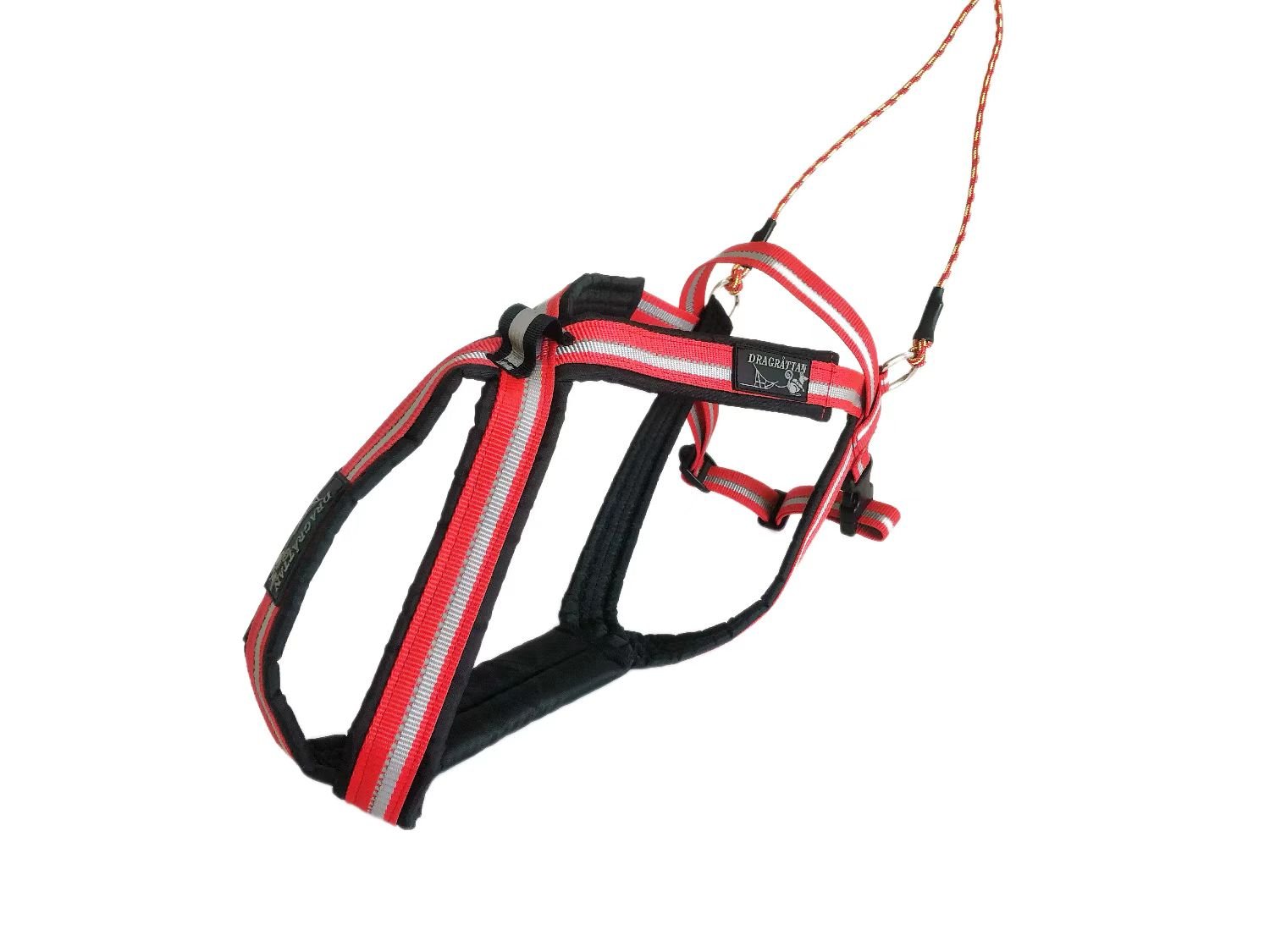
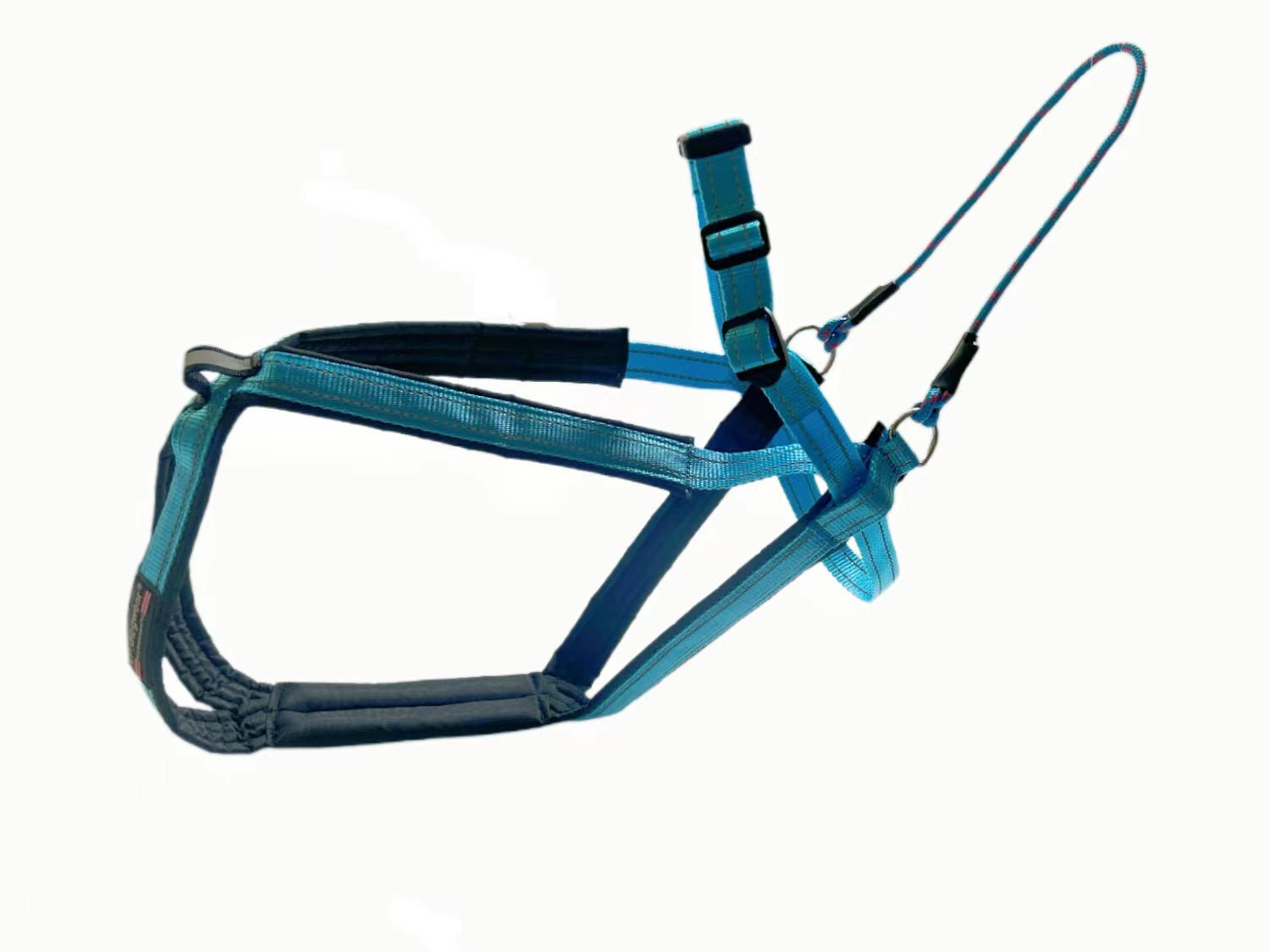
Even if you or your dog aren't currently fit for big hikes, you can still get started right away. Once you have the right pack and have fitted it correctly (Snowpaw offer free fitting of all harnesses and packs), begin a few walks with small weights. For puppies or dogs new to backpacking, I start with a few normal walks with the pack loaded only with towels or empty — just so they get used to the feel of it, and learn to navigate doors and gates with it on (they will bump into things at first!). You can then add small items — bottled water, extra leads — up to 10% of their body weight, which is a good starting point for any dog over a year old in healthy condition.
We recommend a minimum age of one year to begin pack walk training, though some choose to wait until 18 months, particularly for bigger dogs. We do put empty packs on our puppies from around 8 months so they get used to the fit and feel, but add no weight until one year. If you have a different breed, please speak to your breed club or Snowpaw (message us) about age and weight recommendations.

-
Weight: Build weight slowly. I highly recommend the AWMA pack dog scheme, which lays out a clear pathway of awards that correctly builds the right muscles — starting at 10% of the dog's body weight and 5-mile legs, the perfect foundation for building stamina. Even with my experienced dogs, I begin every season with a couple of warm-up hikes of 3–5 miles at 10% to build them back up.
How much weight you build to will depend on your dog, their breed, and how much training you put in. For freighting sled dog breeds, the top recommendation is 30% of body weight — which I consider the absolute ceiling. If your dog isn't extremely fit, stay well below this and build slowly. 10% is a great starting point; 20% is an excellent working weight for building muscle and stamina, and in my opinion the optimum for most hikes. I never go above 20% for a big climb. If you're starting out, I strongly recommend staying around the 20% mark when climbing until you feel confident going further.
It's also worth noting that even very fit dogs from other sports will need time to adjust — the muscles used for backpacking differ from those used in canicross or bikejor. Take a few smaller hikes to build those specific muscles, even with fit dogs.
-
Temperature: We tend to backpack in Autumn and Spring when temperatures are cooler, but a cool morning can become a hot afternoon. The general rule is not to hike with a weighted pack above 15°C, though you'll need to use your own judgement based on your dog's health, age, breed, coat type, and colour (dark and thick-coated dogs feel the heat more). Shade on the route, frequency of breaks, fitness level, and pack weight all factor in, as do humidity, ground temperature, and wind chill.
Personally, we rarely backpack above 10°C, as our dogs start to find it uncomfortable above this. For Malamutes, the colder the better — I've done 15-mile pack walks at –8°C with very happy dogs! Start around 10°C and under, and adjust as you learn what your dog is comfortable with.
-
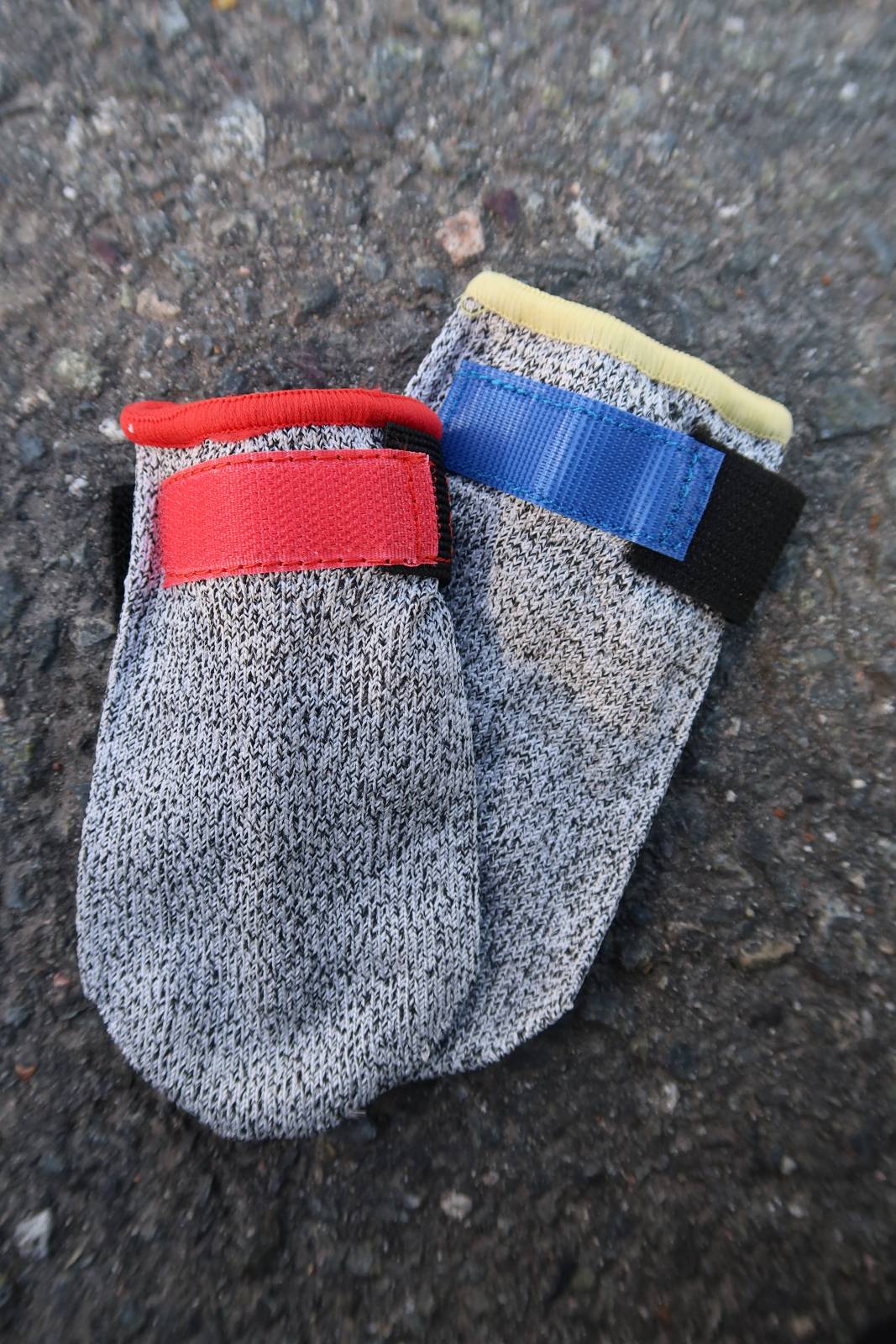
Surface: You can walk on most surfaces, but adding a pack and weight will impact your dog's feet and legs, so aim for softer ground where possible — especially with young or older dogs. Soft woodland trails or snow are ideal. If walking on harder surfaces, factor in distance, pack weight, and your dog's pads (lighter pads feel rocky terrain more than darker ones). Pavements and roads are best avoided when backpacking, though a short stretch of tarmac to reach a trail isn't a problem.


How to walk your dog when backpacking:
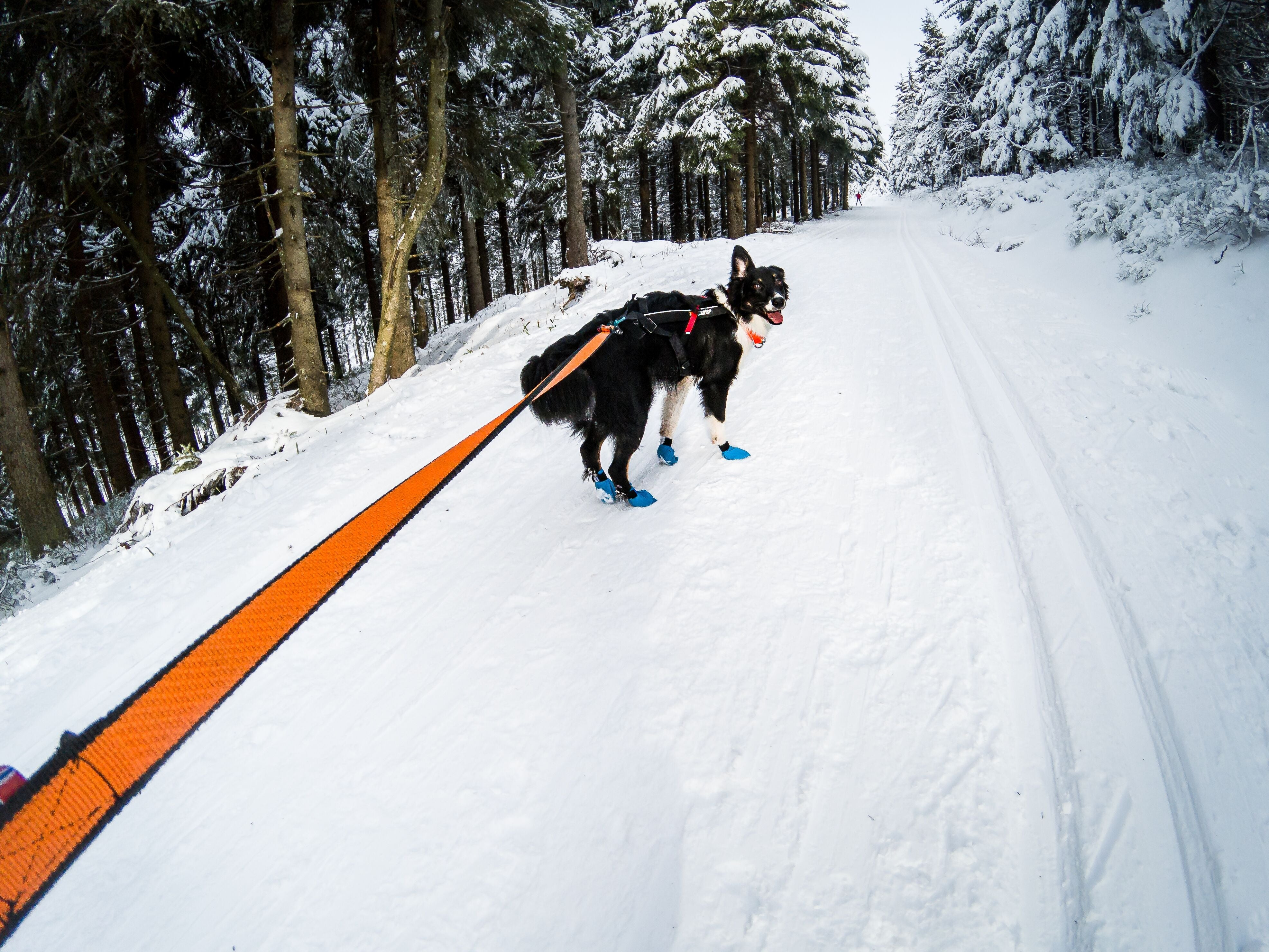
Always keep your dog on a lead. You need to manage how the pack is worn and how your dog moves — they should never run with a loaded pack, as it can slip and become imbalanced, risking injury. This is also a sport you do together, and being connected throughout is part of what makes it special.
Though many packs have leash connection points, I personally recommend walking by the collar instead. You want good control in case of any problem, as your dog won't be able to move away from an issue as easily with a pack on, but speak to Snowpaw about fit and connection as some packs work better with rear tethers etc.
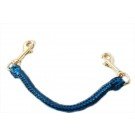
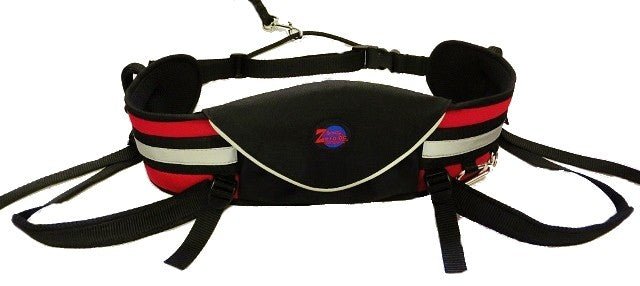
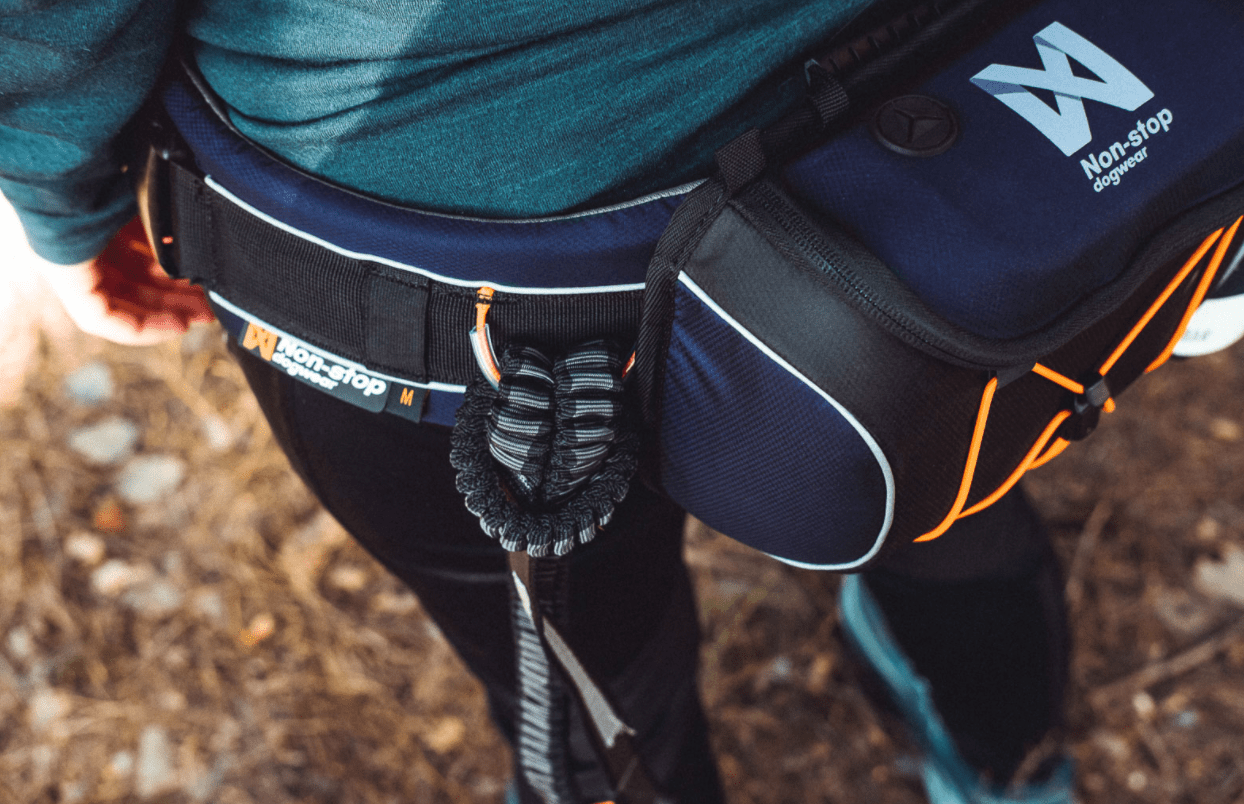
I also recommend using a hiking belt, especially with sled dogs — it makes the hike far more enjoyable when you have your hands free when needed. And don't underestimate your lead choice: hiking long miles with an enthusiastic dog means you may have a firm grip for hours, and a thin lead will wreak havoc on your hands. A robust, soft lead of mid-length is best — and bring fingerless gloves. You'll thank me!
Solo or Group:
Backpacking works equally well solo or as a social event. My dogs — despite not tolerating other dogs generally — love backpacking with other sled dogs (at a suitable distance). It feels much more like a proper working event, the miles go faster, and it's always wise to have company on longer wilderness hikes.
AMWA hold an annual Cheddar Walking Weekend in Cheddar Gorge, including a camp-out and guided hikes by experienced backpackers — a great way to get started or increase your mileage. See their website for details; this is usually on the first weekend of May
Get your dog in a pack and start exploring! For more on how to properly fit your pack and what to bring on mid-to-long hikes, see our next blog.

